SpiceX Level 1: The Lobby – Orientation & First Steps
Level 1: The Lobby
“Welcome to the SpiceX Family! Your productivity is our passion.”
Overview
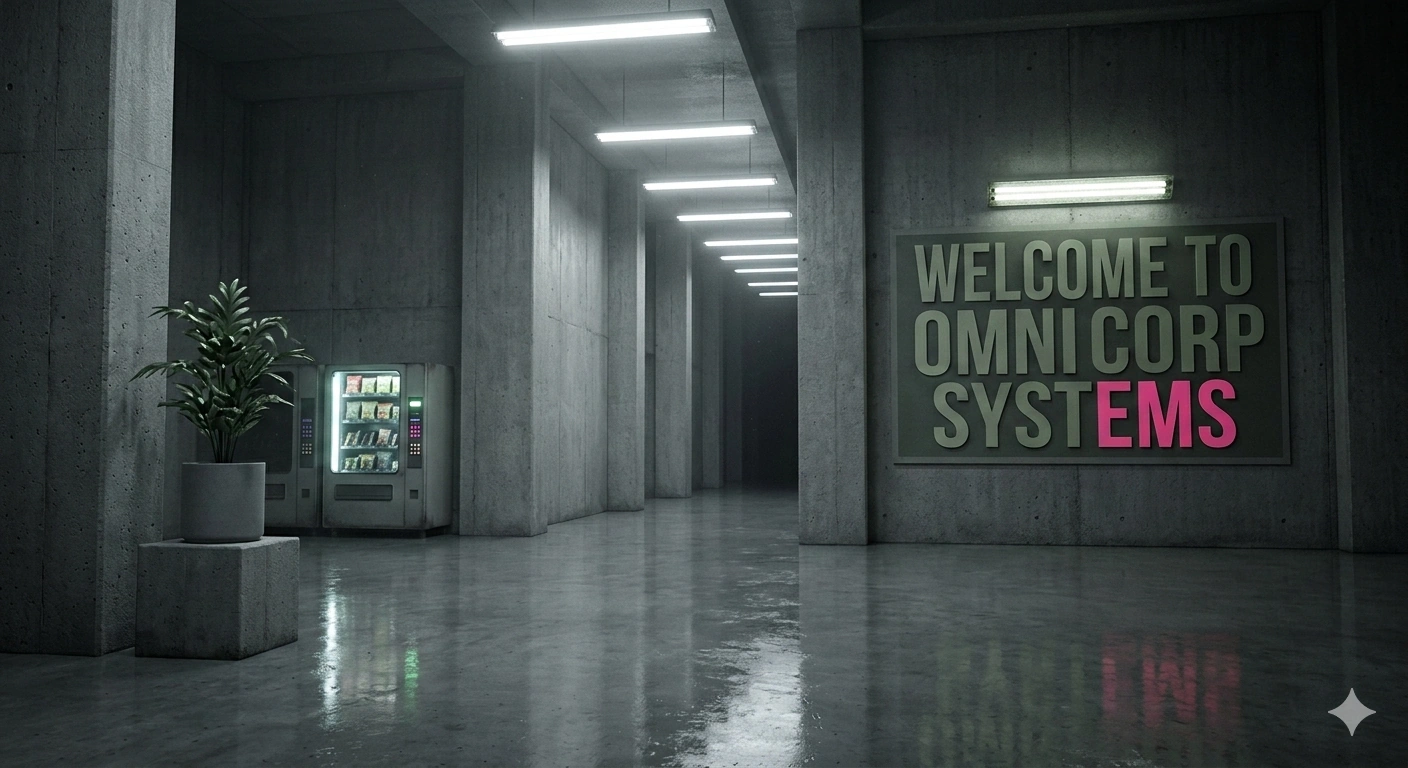
The Lobby is the first contact point for every subject. It establishes the sterile corporate aesthetic, introduces the core mechanics (movement, interaction), and drops the first narrative breadcrumbs.
Visual Language
- Polished concrete floors that reflect the ceiling, creating a subtle disorientation.
- Potted fake plants that twitch when the player isn’t looking – a hint that the environment is alive.
- Vending machines with impossible products: Glitch Cola, Epoch Energy, Loss Function Lite.
- Water cooler where subjects gather to exchange meaningless small talk – a social‑credit hub.
Core Gameplay Mechanics
- Basic locomotion – WASD movement, jump, crouch.
- Interaction prompt – Press
Eto talk to the orientation speaker. - Collectible “Orientation Card” – Gives the player a UI hint about the next level.
Environmental Storytelling
The Orientation Video
A looping screen shows an animated pepper mascot delivering a cheerful speech. The subtitle reads:
“Here at SpiceX we turn data into spice. Remember: Memes > Metrics.”
If the player watches for 10 seconds, a hidden line appears:
“If you hear a humming… it’s not the servers. It’s us.”
The Badge System
When the player picks up the Employee Badge #0, a tiny UI overlay appears:
# res://scripts/badge.gd
class_name Badge
extends Resource

@export var subject_id: int = 0
@export var role: String = "Orientation"

func on_pickup() -> void:
    UI.show_message("Badge #%d – Role: %s" % [subject_id, role])
The badge is non‑functional – a narrative prop that foreshadows later access‑control puzzles.
Narrative Beats
- First hint of the “Spice” metaphor – the mascot, the vending items.
- Subtle unease – the plants twitch, the water cooler hum.
- Establish the “employees must wash hands” sign (later broken).
“The lobby is a promise. It tells you everything you need to know… until it doesn’t.”
— Subject 34, early memory